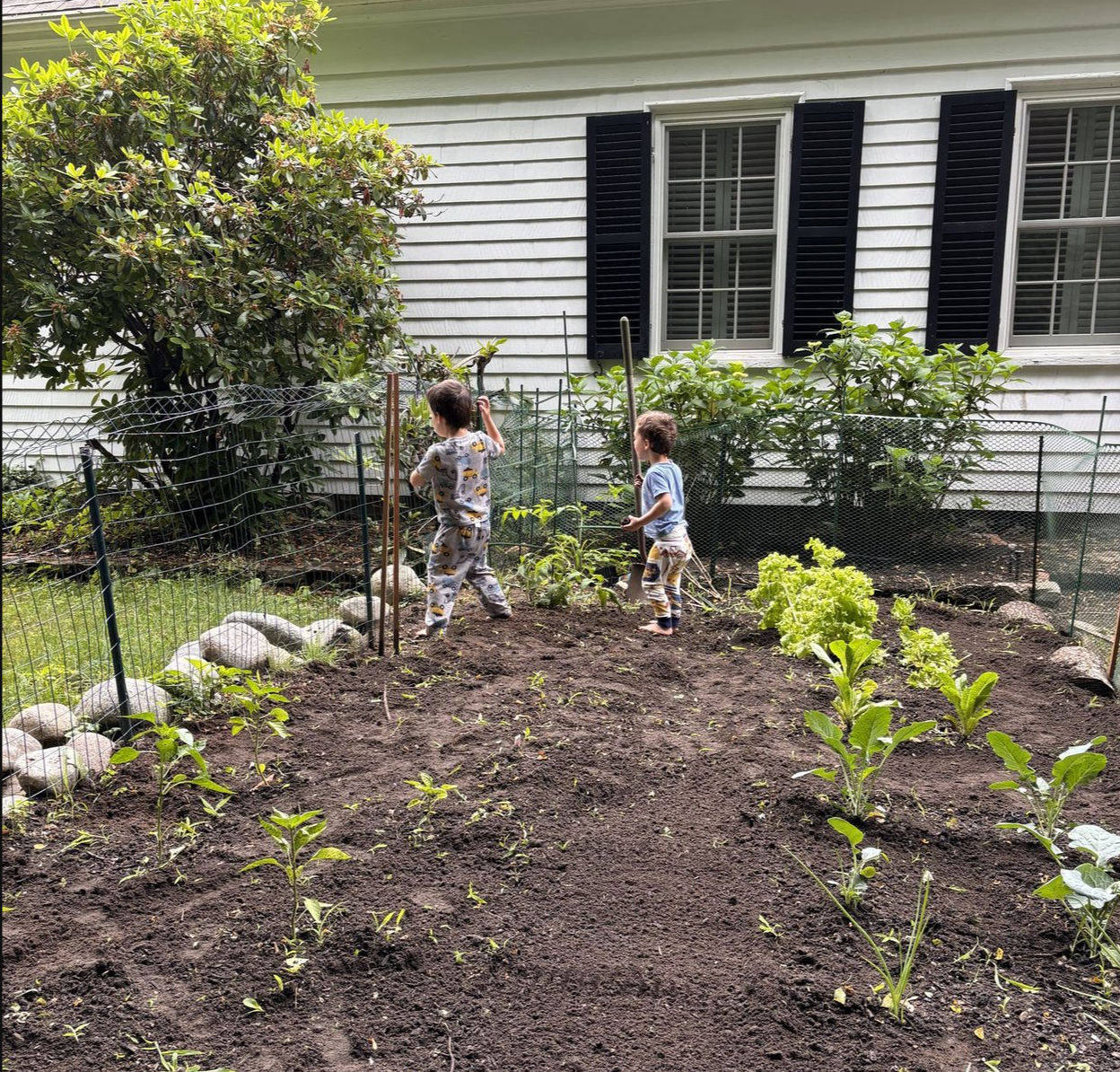
Gardening for Seniors: Why It's One of the Best Things You Can Do for Your Health
There are few activities as quietly powerful as gardening. You get outside. You move your body without it feeling like exercise. You watch something you planted with your own hands grow and flourish. And it turns out, the science agrees — gardening might be one of the single best things an older adult can do for their health.
Not just their physical health. All of it.
What the Research Says
The numbers on gardening and senior health are genuinely impressive:
Daily gardening is associated with 43% lower odds of poor health, including anxiety and physical limitations
Seniors who garden regularly report a 25% decrease in feelings of loneliness within months of starting
Regular gardening improves flexibility, blood pressure, and cholesterol
Gardening significantly buffers the relationship between stress and mental health — the more someone gardens, the less stress affects their wellbeing
A 2025 study published in the NIH's research journals found that gardening supports successful aging through improved socialization, quality of life, cognition, and mental health. That's a lot of benefit from pulling weeds and planting tomatoes.
The South Shore is a particularly wonderful place to garden — the coastal climate in zone 6b to 7a means mild springs, long frost-free autumns, and soil that responds well to a little care. If you've ever thought about getting a garden going, or helping a loved one reconnect with one, this is a great moment to start.
Making the Garden Work for Your Body
The number one reason seniors give up gardening isn't lack of interest — it's physical discomfort. Kneeling on hard ground, bending for extended periods, carrying heavy bags of soil. None of that has to be part of the equation anymore.
Raised beds are the single best investment a senior gardener can make. A raised bed at 24–36 inches high eliminates bending and kneeling entirely. You can garden standing up or seated, with no strain on knees or lower back. Build in a wide ledge around the perimeter and it doubles as a seat during longer sessions. For seniors with arthritis, mobility limitations, or back issues, a raised bed is genuinely life-changing.
Container gardening is the easiest entry point. Pots, window boxes, and planters on a deck or patio require minimal effort to set up, can be positioned at any height, and still deliver all the benefits of gardening. Start with a few herb pots on a sunny windowsill or deck railing — basil, mint, chives — and go from there.
Ergonomic tools make a real difference. Look for tools with padded grips, long handles that reduce bending, and lightweight construction. Kneelers with handles on the sides allow seniors to lower and rise from the ground safely if ground-level gardening is still in the mix.
Drip irrigation or soaker hoses eliminate the need to haul watering cans or manage a heavy hose — a worthwhile upgrade for anyone with limited strength or mobility.
Wide, flat pathways between garden areas allow for safe movement and room for a walker or garden cart if needed.
Best Plants for South Shore Gardens
The South Shore's coastal zone 6b–7a climate is forgiving for gardeners of all skill levels. Here's what grows beautifully with minimal fuss:
Vegetables & Herbs
Tomatoes — the most rewarding garden crop in Massachusetts, and well-suited to our summers. Start with transplants from a local nursery in late May.
Lettuce & leafy greens — perfect for spring and fall, cool-weather crops that are easy and quick to harvest.
Basil, chives, mint, and rosemary — thrive in containers on a sunny deck and give you fresh herbs all season long.
Highbush blueberries — a Massachusetts native that produces white spring flowers, summer fruit, and brilliant fall foliage. Low maintenance once established and genuinely beautiful.
Flowers
Black-eyed Susans — hardy, bright, and completely at home on the South Shore. Virtually indestructible.
Coneflowers (Echinacea) — drought-tolerant, pollinator-friendly, and they come back every year without any fuss.
Daffodils — plant in the fall, enjoy in early spring. One of the first hopeful signs that winter is over.
Rhododendrons — a New England classic that handles coastal conditions beautifully. Low maintenance and spectacular when in bloom.
Native plants are worth a special mention. Plants native to Massachusetts — bayberry, wild columbine, Virginia bluebells — evolved here, which means they require less water, fewer amendments, and almost no intervention once they're established. They're also excellent for attracting pollinators and birds, which adds another layer of daily enjoyment to the garden.
Gardening Safely in Summer Heat
A quick but important note: gardening in summer heat requires the same precautions as any outdoor activity for older adults. Garden in the early morning before 10am when temperatures are coolest. Keep water nearby and drink it consistently — don't wait for thirst. Wear a wide-brimmed hat, light clothing, and sunscreen. Take breaks in the shade.
If you or a loved one takes diuretics, blood pressure medications, or antihistamines, be particularly mindful — these medications can increase heat sensitivity. See our heat safety guide for seniors for more detail.
The Social Side of Gardening
One of gardening's underappreciated benefits is what it does for conversation and connection. A garden gives you something to talk about, something to share, something to look forward to. Neighbors stop to admire what's growing. Grandchildren learn where food comes from. Friends get bags of tomatoes in August.
The Garden Club Federation of Massachusetts has an active South Shore District with clubs in towns across the region — a genuine community of local gardeners worth connecting with, especially for seniors who want structured programming around their hobby.
Many local senior centers, including the Duxbury Center and Marshfield Senior Center, also offer gardening-related programming and community garden plots. Worth calling to ask what's currently available.
How Home Care Supports Senior Gardening
For seniors who love their gardens but find the physical demands increasingly challenging, home care can make the difference between giving it up and keeping it going.
At Snug Harbor Home Care, we regularly support clients who garden — helping with the heavier tasks, ensuring they're staying hydrated and safe in warm weather, and simply being present so that a morning in the garden doesn't become an isolated or risky activity.
A good caregiver doesn't just help with the basics of daily life. They help their clients keep doing the things that make life worth living. For a lot of South Shore seniors, that means their garden.
Contact us to learn more about in-home care support on the South Shore.
Frequently Asked Questions
Is gardening good for seniors?
Yes — extensively. Research shows daily gardening is associated with 43% lower odds of poor health, significant reductions in loneliness, improved physical fitness, and better mental health outcomes. It's one of the most well-rounded activities an older adult can do.
What type of garden is best for elderly people?
Raised beds at 24–36 inches high are ideal — they eliminate bending and kneeling and can be gardened standing or seated. Container gardening on a deck or patio is the easiest entry point for beginners or those with limited mobility.
What are the easiest plants to grow for senior gardeners?
In coastal Massachusetts, black-eyed Susans, coneflowers, daffodils, tomatoes, lettuce, and herbs like basil and chives are all forgiving, low-maintenance choices that reward beginners.
What gardening tools are best for seniors with arthritis?
Look for ergonomic tools with padded, non-slip grips and long handles to reduce bending. Lightweight materials reduce strain. Kneelers with side handles help seniors safely lower and raise themselves if ground-level work is still part of the routine.
Are there community gardens on the South Shore?
The Garden Club Federation of Massachusetts has an active South Shore District. Local senior centers in Duxbury, Marshfield, and Plymouth also offer gardening programming — call your local center to ask what's currently available.
Sources: AARP — 5 Health Benefits of Gardening, NIH — Gardening and Healthy Ageing, NIH — Relationship Between Gardening and Stress on Older Adult Health, AllSeniors — Community Gardening Programs 2025–2026, Gardening Know How — Senior Accessible Gardens, Mass.gov — Coastal Landscaping Plant List
Hot Weather Safety: 10 Tips That Could Save a Life This Summer
Every summer, heat kills more Americans than hurricanes, tornadoes, and floods combined — and older adults bear the greatest share of that risk.
Adults 65 and older account for the majority of heat-related deaths in the United States. Heat-related mortality among adults over 60 has increased 167% since the 1990s, and summers on the South Shore are getting hotter. This isn't something to take lightly.
The harder truth is that heat is dangerous for seniors in ways that aren't obvious — and by the time the warning signs appear, a situation can turn serious very quickly. Here's what every family caring for an older adult needs to know before the temperature climbs.
Why Older Folks Are So Much More Vulnerable to Heat
Younger bodies handle heat through a well-coordinated system: blood vessels dilate to push heat to the skin, sweat glands activate, the body cools itself. Aging disrupts every part of that system.
Older adults sweat less efficiently, sense heat less accurately (meaning they may not realize how hot they are), and have a reduced ability to redirect blood flow to cool the body. Chronic conditions like diabetes, heart disease, and kidney disease compound the problem. And then there are the medications.
Many common medications significantly increase heat risk, including:
Diuretics (water pills) — increase dehydration risk
Beta-blockers — reduce the heart's ability to respond to heat stress
Antihistamines — interfere with sweating
Antidepressants and antipsychotics — can impair temperature regulation
Sedatives and sleep aids — reduce awareness of heat danger
If your parent or loved one takes any of these, they need extra vigilance on hot days — not just when it's extremely hot, but anytime temperatures climb above 80°F with high humidity.
Know the Warning Signs — They're Not What You Expect
Here's what makes heat illness so dangerous in seniors: it often doesn't look like heat illness.
In younger adults, heat exhaustion is obvious — heavy sweating, flushed face, feeling overheated. In older adults, the signs can be far more subtle and easily mistaken for other conditions:
Heat Exhaustion in Seniors:
Unusual fatigue or weakness
Dizziness or lightheadedness
Pale, clammy skin
Nausea or loss of appetite
Muscle cramps
Headache
Heat Stroke — a Medical Emergency:
Confusion, disorientation, or unusual behavior
Slurred speech or irritability (often mistaken for a neurological event)
Skin that is hot and dry (not sweating — this is a key sign)
Body temperature at or above 104°F
Rapid heartbeat
Loss of consciousness
If you see these heat stroke symptoms — especially confusion and hot, dry skin — call 911 immediately. Move the person to a cool environment and apply cool (not ice cold) water to the skin while you wait for help. Heat stroke is fatal if not treated promptly.
10 Practical Tips for Keeping Seniors Safe in the Heat
1. Air conditioning is non-negotiable. It's not a luxury — it's a medical necessity for older adults during hot weather. If a loved one's home isn't reliably air-conditioned, that's a safety issue that needs to be solved. Massachusetts has programs to help — the federal LIHEAP program (call 1-866-674-6327) helps lower-income seniors with the cost of air conditioning and utility bills.
2. Keep the home cool throughout the day, not just at peak hours. Homes on the South Shore — particularly older ones — retain heat. Close blinds and curtains on sun-facing windows in the morning before the heat builds. Use fans to circulate cooled air. Check the thermostat proactively rather than waiting for a loved one to feel hot.
3. Hydrate before thirst sets in. Older adults have a diminished sense of thirst, which means by the time they want water, they may already be dehydrated. Encourage consistent water intake throughout the day — clear juices and water are best. Avoid alcohol and caffeine, which accelerate dehydration.
4. Dress for the heat. Loose, light-colored, breathable clothing (linen, cotton) allows air circulation and reflects heat. Dark colors absorb it. A wide-brimmed hat for any outdoor time is essential.
5. Plan outdoor activities for early morning or evening. On hot days, before 10am and after 6pm are significantly safer windows for outdoor time. Avoid the 11am–4pm period when sun intensity and heat are highest.
6. Check in more frequently. Seniors who live alone are the highest-risk group during heat events — isolation and heat are a dangerous combination. During hot stretches, check in by phone or in person at least once a day. Ask specifically how they're feeling, not just whether they're fine.
7. Know the cool spots nearby. Libraries, senior centers, and community centers are air-conditioned and welcome during heat advisories. The Duxbury Center (10 Mayflower St), Marshfield Senior Center (230 Webster St), and Plymouth Center for Active Living are all good options for South Shore seniors who need to get out of a warm home.
8. Review medications with a doctor before summer. If a loved one takes diuretics, beta-blockers, antihistamines, or sedatives, ask their physician whether any adjustments or precautions are needed for hot weather. This is a conversation worth having proactively, not after a heat event.
9. Never leave a senior in a parked car. Even on a mild day, car interiors can reach dangerous temperatures within minutes. On a hot day, this can be fatal in under 10 minutes.
10. Watch for the subtle signs. Confusion, irritability, unusual fatigue, loss of appetite — on a hot day, these deserve immediate attention, not a "let's see how they feel later" response. When in doubt, call a doctor.
The Role of Home Care in Heat Safety
For families who can't be present every day, home care provides a critical layer of protection during summer heat. A trained caregiver notices the early warning signs that family members across the state might miss. They ensure hydration is happening, the home is appropriately cool, medications are being taken correctly, and a real human being is checking in — every single day.
At Snug Harbor Home Care, summer safety is something we take seriously. Our caregivers are trained to recognize heat-related warning signs, understand how medications interact with heat risk, and take the practical steps that keep older adults safe through New England's increasingly warm summers.
If you have concerns about a parent or loved one managing the summer heat alone, contact us for a no-obligation conversation about how we can help.
Frequently Asked Questions
What temperature is dangerous for elderly people?
Seniors are at elevated risk once temperatures exceed 80°F, especially with high humidity. The danger increases significantly above 90°F. Unlike younger adults, older adults may not feel the heat accurately, so the actual temperature matters more than how they say they feel.
What are the first signs of heat stroke in an elderly person?
In seniors, early heat stroke often presents as confusion, irritability, slurred speech, or unusual behavior — rather than the obvious sweating seen in younger adults. Hot, dry skin and a body temperature above 104°F are serious warning signs. Call 911 immediately.
Which medications make seniors more vulnerable to heat?
Diuretics, beta-blockers, antihistamines, antidepressants, antipsychotics, and sedatives can all impair the body's ability to regulate temperature or increase dehydration risk. Talk to your loved one's doctor before summer about any heat-related precautions.
What should I do if a senior shows signs of heat stroke?
Call 911 immediately. Move them to a cool indoor space. Apply cool (not ice cold) water to skin, especially the neck, armpits, and groin. Fan them to promote evaporation. Do not give fluids if they are confused or unconscious.
Are there cooling centers near Duxbury and Marshfield MA?
Yes — during heat advisories, local senior centers including The Duxbury Center (781-934-5774) and Marshfield Senior Center serve as cool spaces. Public libraries are also air-conditioned and open to the public.
Sources: CDC — Heat and Older Adults, AARP — Extreme Heat Wave Dangers for Older Adults, National Institute on Aging — Hot Weather Safety, Harvard Health — Extreme Heat Endangers Older Adults, Jefferson Health — Recognizing Heat Stroke in Older Adults