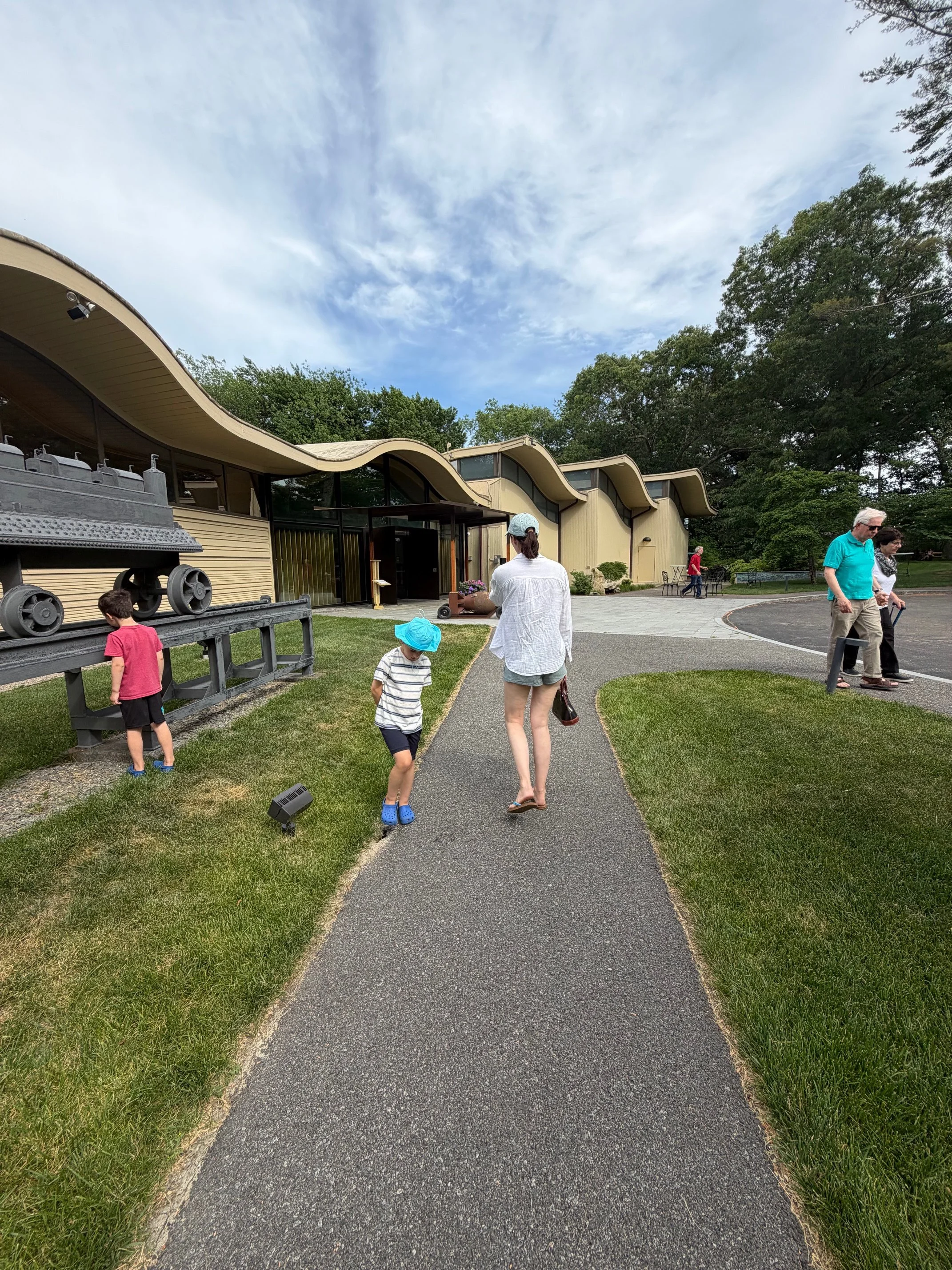
The Art Complex Museum in Duxbury: A Hidden Gem Worth Discovering This Summer
There's a museum tucked into 13 acres of Duxbury woodland that most South Shore residents have driven past without realizing what's inside.
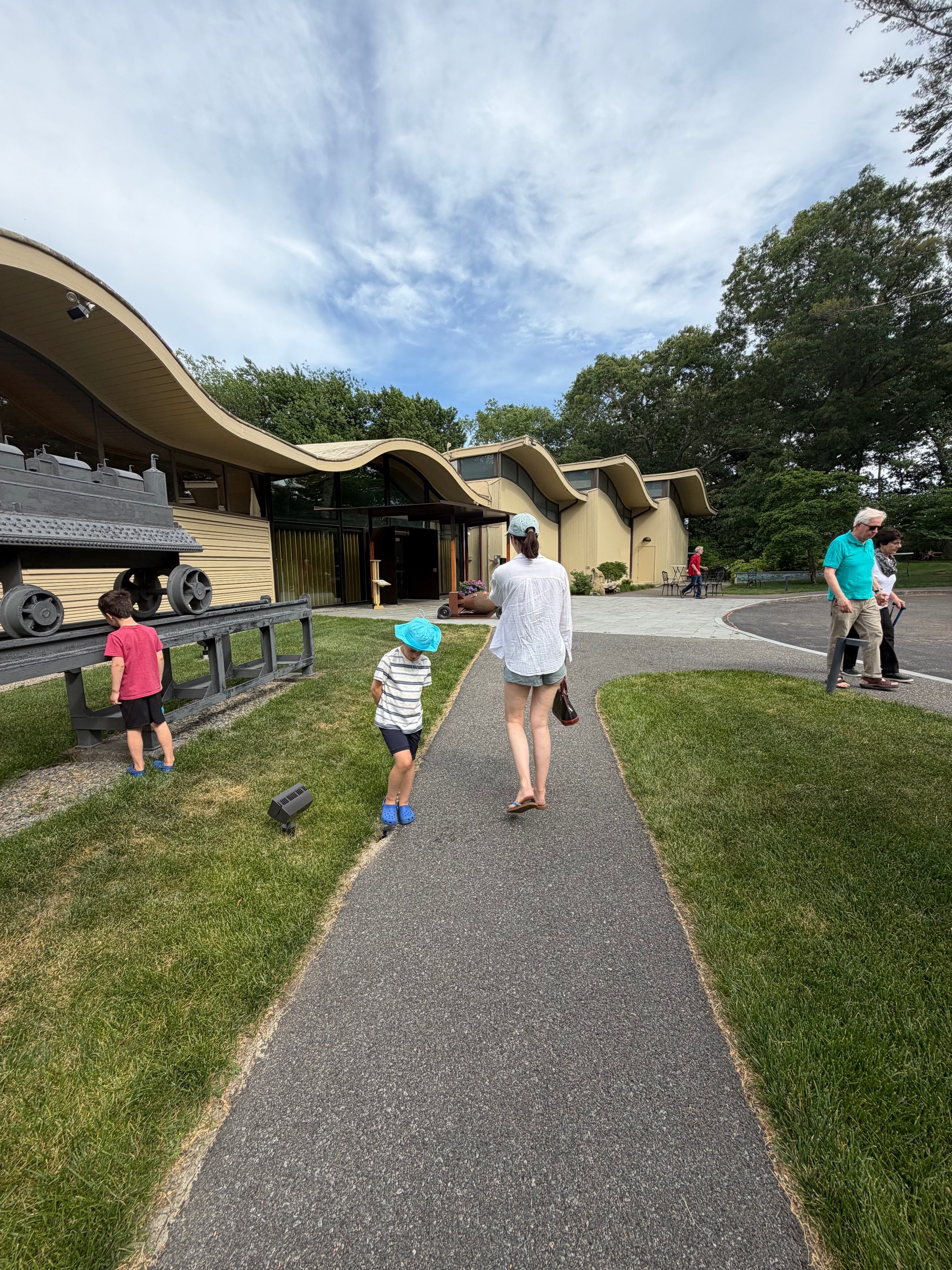
Paved walkways make traversing simple
The Art Complex Museum at 189 Alden Street in Duxbury is one of the great local treasures hiding in plain sight — a world-class collection of American paintings, Shaker furniture, and Asian art, a Japanese teahouse shipped from Japan and assembled on the grounds, a full schedule of concerts, lectures, and workshops, and one of the most thoughtfully curated summer exhibition programs in New England.
Admission is completely free. The galleries are wheelchair accessible. And this summer, they're celebrating America at 250 with an outdoor sculpture exhibition that extends across the entire town of Duxbury.
If you haven't been — or haven't been in years — this is your guide. Our family lives within walking distance and we frequent as much as we’re able. It’s great for people of all ages.
What Is the Art Complex Museum?
The Art Complex Museum opened in 1971 on land donated by Carl A. Weyerhaeuser and his wife Edith Greenleaf Weyerhaeuser, whose personal art collection forms the heart of the permanent holdings. The museum sits on more than 13 acres of woodland and open meadow in Duxbury, giving it a natural setting that feels nothing like a traditional urban museum — and everything like the South Shore.
Over more than five decades, the museum has grown into a genuine regional arts center with four key strengths in its permanent collection: Shaker objects and furniture, works on paper, American paintings, and Asian art. The collection is accompanied by a reference library of over 5,000 art publications — a remarkable resource for anyone interested in art history, craft, or visual culture.
What sets the Art Complex apart from most small museums is its calendar. This isn't a place that hangs a collection and waits for visitors to arrive. The museum runs concerts, lectures, gallery talks, Japanese tea ceremonies, family art programs, and an increasingly active Thursday evening series — all centered around the idea that a museum should be a living part of its community.
What's On This Summer
The Art Complex Museum's summer 2026 lineup is one of the strongest in recent memory, anchored by exhibitions that feel genuinely timely.
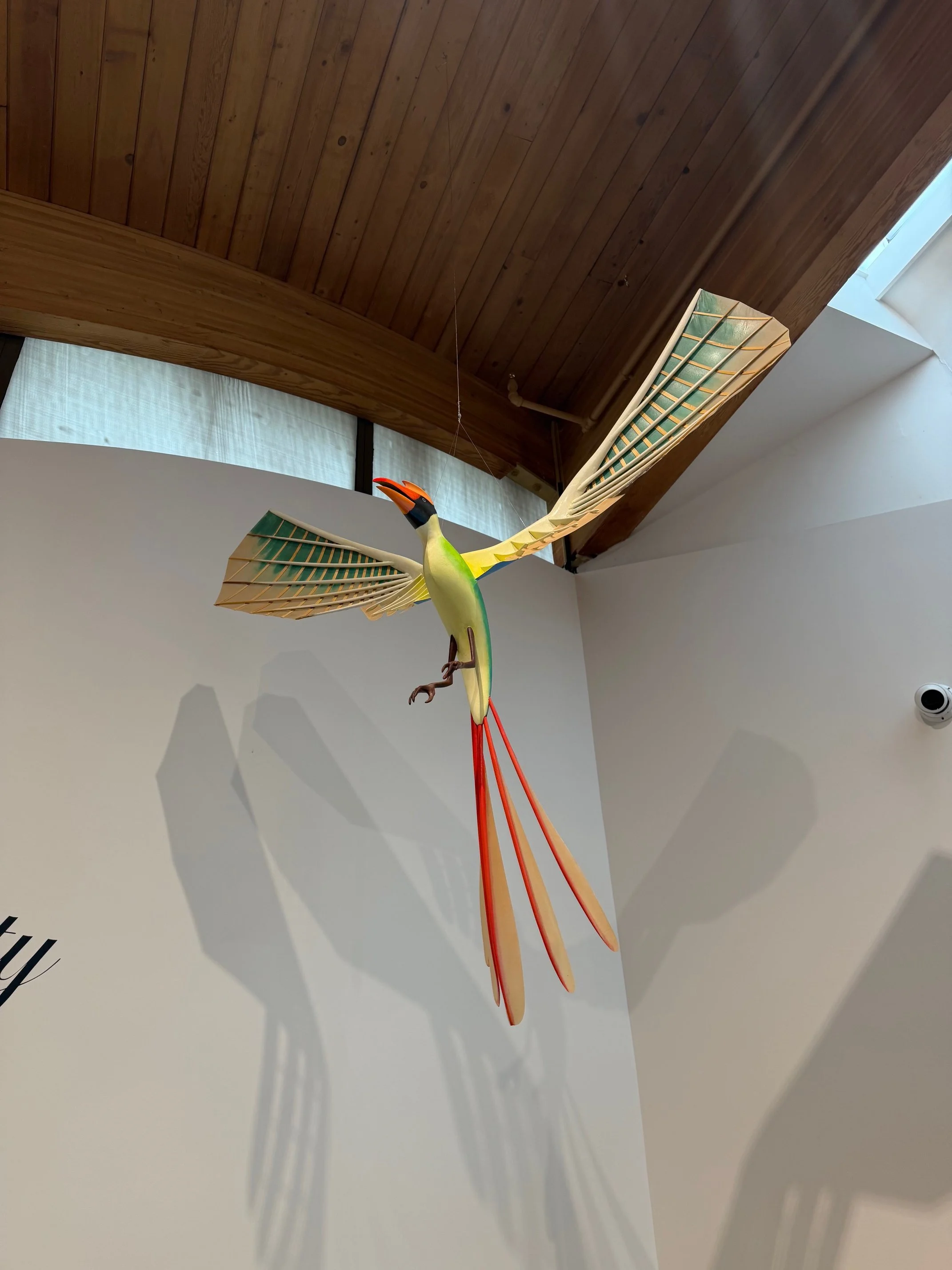
American Beauty: Shaker Furniture and Contemporary Craft from the Collection
May 10 – September 6, 2026
This exhibition pairs iconic Shaker furniture from the museum's collection with contemporary craft works that carry on the Shaker tradition of form following function. For anyone who has ever appreciated the quiet genius of a well-made chair or a thoughtfully designed storage piece, this is a deeply satisfying show. Shaker design principles — simplicity, honesty of materials, extraordinary craftsmanship — influenced American design for generations and remain as compelling today as they were in the 19th century.
Scenes of the Sea: American Paintings from the Collection
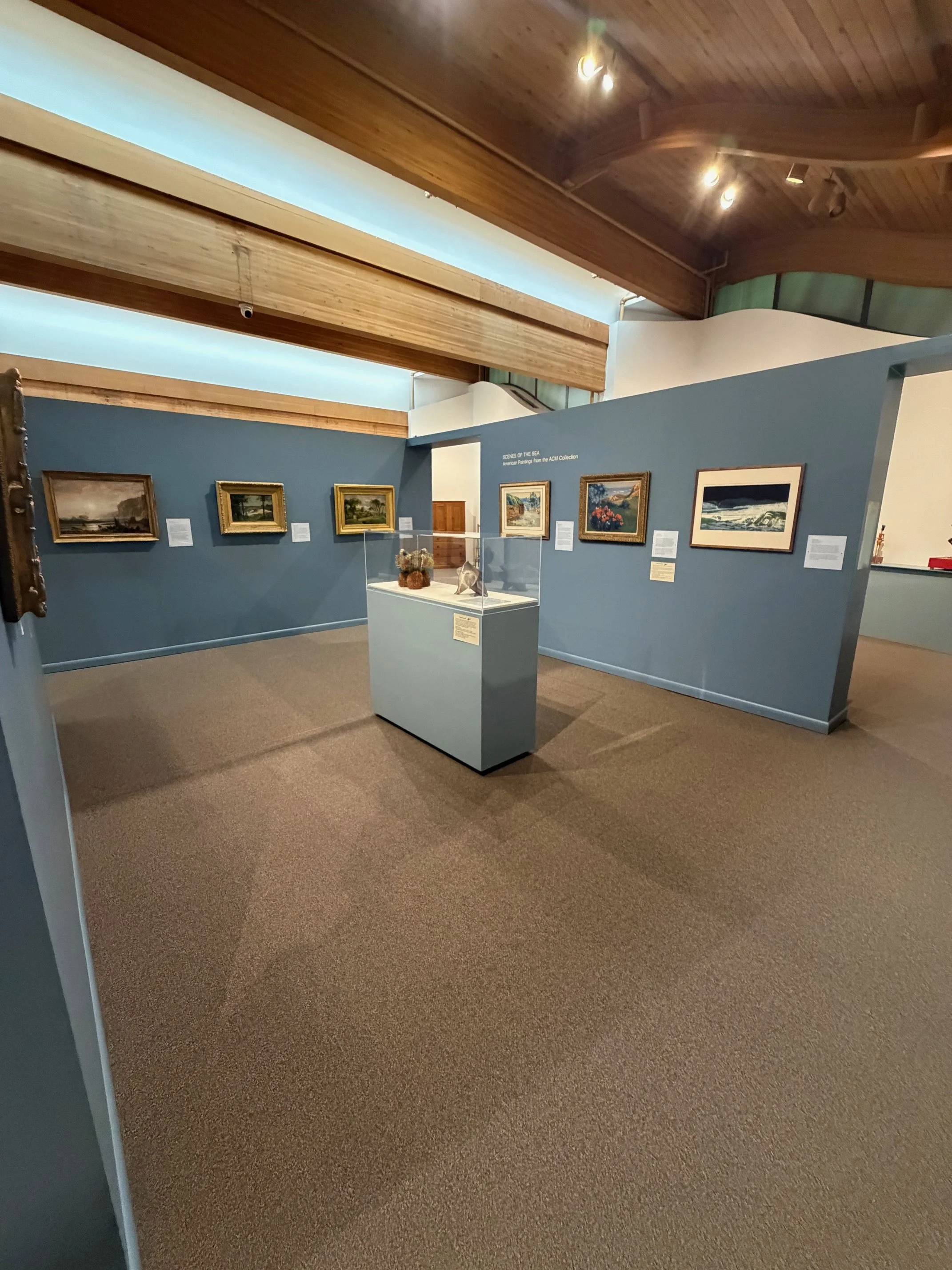
May 10 – September 6, 2026
A celebration of American marine and coastal painting drawn from the museum's permanent collection, including works by John Joseph Enneking. For South Shore residents who live with these waters every day, seeing how American painters have interpreted the sea over two centuries offers a genuinely moving perspective on a landscape we often take for granted.
Jan Lhormer: Earth and Sky
May 17 – August 16, 2026
A luminous solo exhibition by artist Jan Lhormer. If you haven't encountered Lhormer's work, this is an excellent opportunity — the paintings have a quality of light and attention to the natural world that rewards time spent looking.
Under Construction: America at 250
Opening Reception: Sunday, June 14, 2026 | 1:00–4:00 PM (Free — RSVP at Eventbrite)
The most ambitious exhibition of the summer features 17 sculptors from New England to North Carolina, each responding to a single question: where has this country been over 250 years, and where is it headed? The result is a chorus of perspectives rather than a single answer — and fittingly, the exhibition extends beyond the museum campus. The Duxbury Rural and Historical Society and The Center are each hosting a sculpture at their own sites, making this a town-wide conversation about America at 250.
The Japanese Teahouse: A Remarkable and Unique Feature
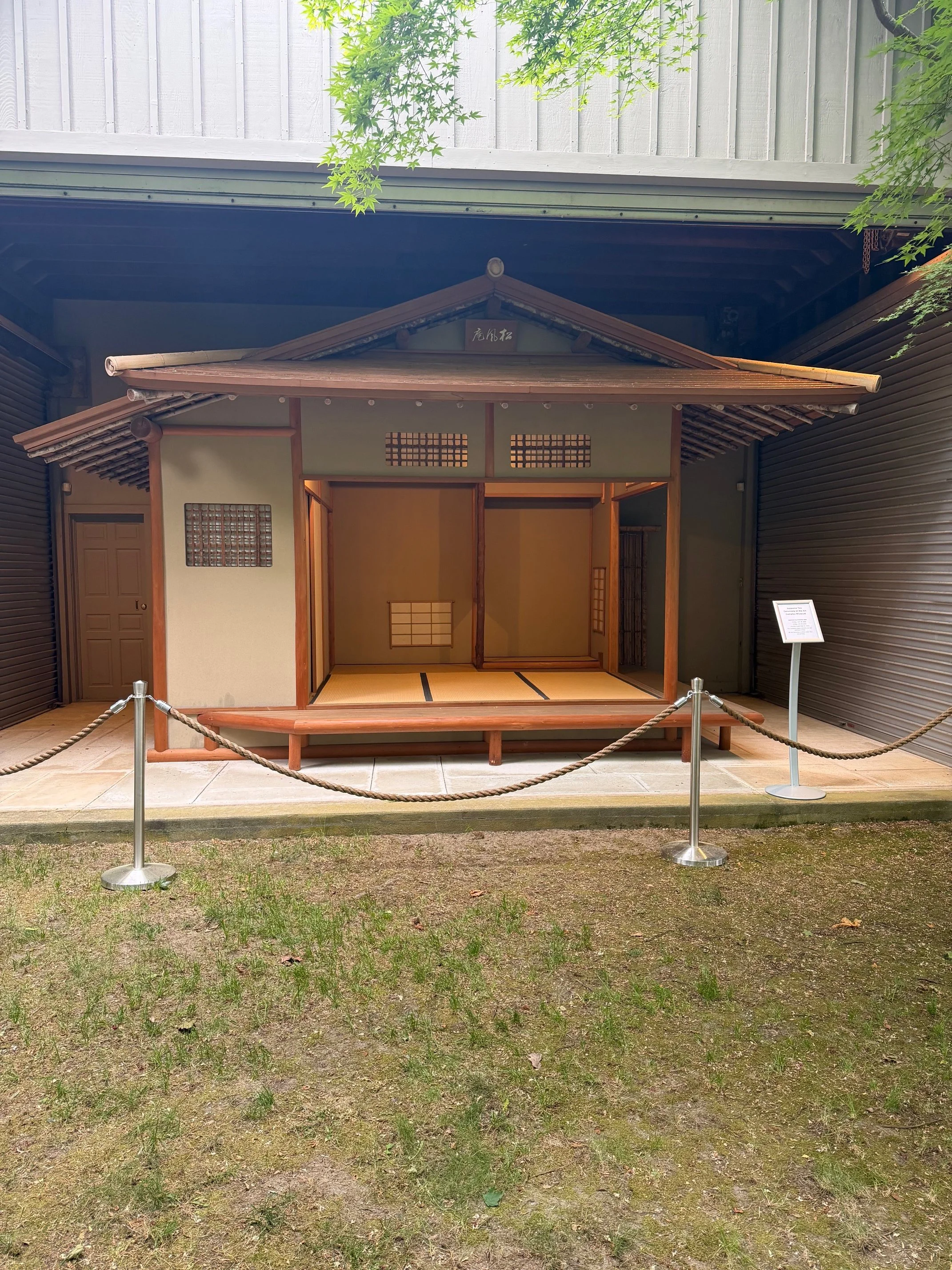
One of the most extraordinary features of the Art Complex Museum is something many visitors don't know exists until they find it on the grounds.
In 1975, the museum commissioned a traditional Japanese tea hut in Japan — built by Japanese craftsmen, then disassembled and shipped to Duxbury to be reassembled on the museum grounds. The result is Shofuan: Wind-in-the-Pines Tea Hut, an authentic structure that hosts traditional Japanese tea ceremonies performed by tea masters from Urasenke Boston.
The ceremonies are narrated, so visitors unfamiliar with the Chado tradition can follow along and understand what they're witnessing — one of the most ancient and refined art forms in Japanese culture, brought to a wooded hillside in Duxbury.
Tea ceremonies are offered several times a year and are free. Check artcomplex.org for the current schedule — these fill up and are worth planning around.
Thursday Nights at the Museum
Every Thursday, from 5:00 to 8:00 PM, the museum stays open late and offers something different each week — artist talks, gallery tours, live music, special events, and programming tied to current exhibitions.
Thursday evenings are a particularly good time to visit if you prefer a quieter, more intimate museum experience. The extended hours give plenty of time to see multiple exhibitions and events without feeling rushed, and the atmosphere is more social than a typical daytime visit.
Check the museum's events calendar at artcomplex.org/thursdays for the current week's programming.
The Grounds: Sculpture, Woodland, and the Midsommar Festival
The Art Complex Museum's 13-acre property is itself worth exploring. Outdoor sculpture is installed throughout the grounds and changes regularly — this summer's Under Construction: America at 250 extends the sculptural conversation outside in a particularly meaningful way.
On Saturday, June 20, the museum hosts its 2nd Annual Midsommar Arts Festival from noon to 5:00 PM — a free, family-focused celebration of the summer solstice featuring Artists in Residence Ariel Tavares and Jobanny Cabrera, glass blowing, kite flying, and artist vendors. A wonderful community afternoon.

Practical Information for Seniors and Families
Address: 189 Alden Street, Duxbury, MA 02332
Hours:
Wednesday–Sunday: 12:00–5:00 PM
Thursdays: 12:00–8:00 PM
Closed Mondays, Tuesdays, and major holidays
Admission: Free — always. No tickets required.
Accessibility: The Art Complex Museum's galleries are wheelchair accessible. The grounds include some uneven terrain, but the main building and exhibition spaces are accessible. Parking is available on-site.
Phone: Check artcomplex.org or their Facebook page (@ArtComplexMuseum) for the most current information on exhibitions and events.
For seniors: The museum is a calm, unhurried environment that moves at whatever pace you prefer. Midweek afternoons are particularly quiet. There are seating areas in the galleries and on the grounds, making it easy to rest and take your time. The combination of indoor exhibitions and accessible outdoor sculpture means visitors with different energy levels can find a pace that works for them.
Why It's Worth the Trip
The Art Complex Museum represents something increasingly rare: a place that takes art seriously, treats its visitors as intelligent adults, and invites you to slow down and look — really look — at things made with care and skill.
For seniors on the South Shore, it's also one of the best options for a stimulating, culturally rich outing that costs nothing and can be tailored entirely to your own pace. You can spend 45 minutes with one exhibition and leave. You can spend an entire Thursday evening there. You can come back for a tea ceremony next month and a concert next season.
Research consistently shows that cultural engagement — visiting museums, attending concerts, engaging with art — is associated with better cognitive health, reduced loneliness, and improved quality of life in older adults. The Art Complex Museum isn't just a pleasant afternoon. It's the kind of thing that's genuinely good for you.
Visiting With Support From Snug Harbor Home Care
At Snug Harbor Home Care, we love helping clients stay engaged with the community around them — and the Art Complex Museum is exactly the kind of local gem we enjoy visiting with clients. Whether it's a quiet afternoon with a current exhibition, a Thursday evening program, or a seasonal tea ceremony, our caregivers can help with transportation, mobility support, and the kind of thoughtful presence that makes an outing enjoyable rather than stressful.
Keeping seniors connected to arts, culture, and community isn't a luxury — it's a meaningful part of healthy aging. If you're exploring home care options for a loved one in Duxbury or the surrounding South Shore, we'd love to talk about how we can help.
Call or text: 508-414-1897 Email:welcome@snugharborhomecare.comLearn more:Contact Snug Harbor Home Care
Frequently Asked Questions
Is the Art Complex Museum in Duxbury free? Yes — admission to all exhibitions at the Art Complex Museum is always free. There is no entry fee. Some workshops and special events may have separate registration fees; check artcomplex.org for current event details.
Is the Art Complex Museum wheelchair accessible? Yes — the museum's galleries are wheelchair accessible. The grounds include some uneven terrain but the main building and exhibition spaces can be accessed by wheelchair users.
What are the hours of the Art Complex Museum in Duxbury? The museum is open Wednesday through Sunday, 12:00–5:00 PM, with extended hours on Thursdays until 8:00 PM. It is closed Mondays, Tuesdays, and major holidays.
What is in the Art Complex Museum's collection? The permanent collection is particularly strong in Shaker furniture and objects, American paintings, Asian art, and works on paper. The museum also maintains an art reference library of over 5,000 publications open to visitors.
What is the Japanese teahouse at the Art Complex Museum? Shofuan: Wind-in-the-Pines Tea Hut is an authentic Japanese tea structure commissioned in Japan in 1975, disassembled, and rebuilt on the museum grounds in Duxbury. Traditional tea ceremonies are performed by masters from Urasenke Boston several times a year. Admission is free.
What is on at the Art Complex Museum this summer? Summer 2026 exhibitions include American Beauty: Shaker Furniture and Contemporary Craft, Scenes of the Sea: American Paintings, Jan Lhormer: Earth and Sky, and the outdoor sculpture exhibition Under Construction: America at 250 running through the grounds and across Duxbury. The Midsommar Arts Festival takes place June 20. Visit artcomplex.org for the full current calendar.
Is the Art Complex Museum good for seniors? Absolutely. Free admission, wheelchair-accessible galleries, a calm unhurried environment, and an excellent mix of indoor exhibitions and accessible outdoor spaces make it one of the best senior-friendly cultural destinations on the South Shore.
Sources: Art Complex Museum — artcomplex.org, Art Complex Museum — Wikipedia, Art Complex Museum — Japanese Tea Ceremony, See Plymouth — Art Complex Museum, TripAdvisor — Art Complex Museum 2026
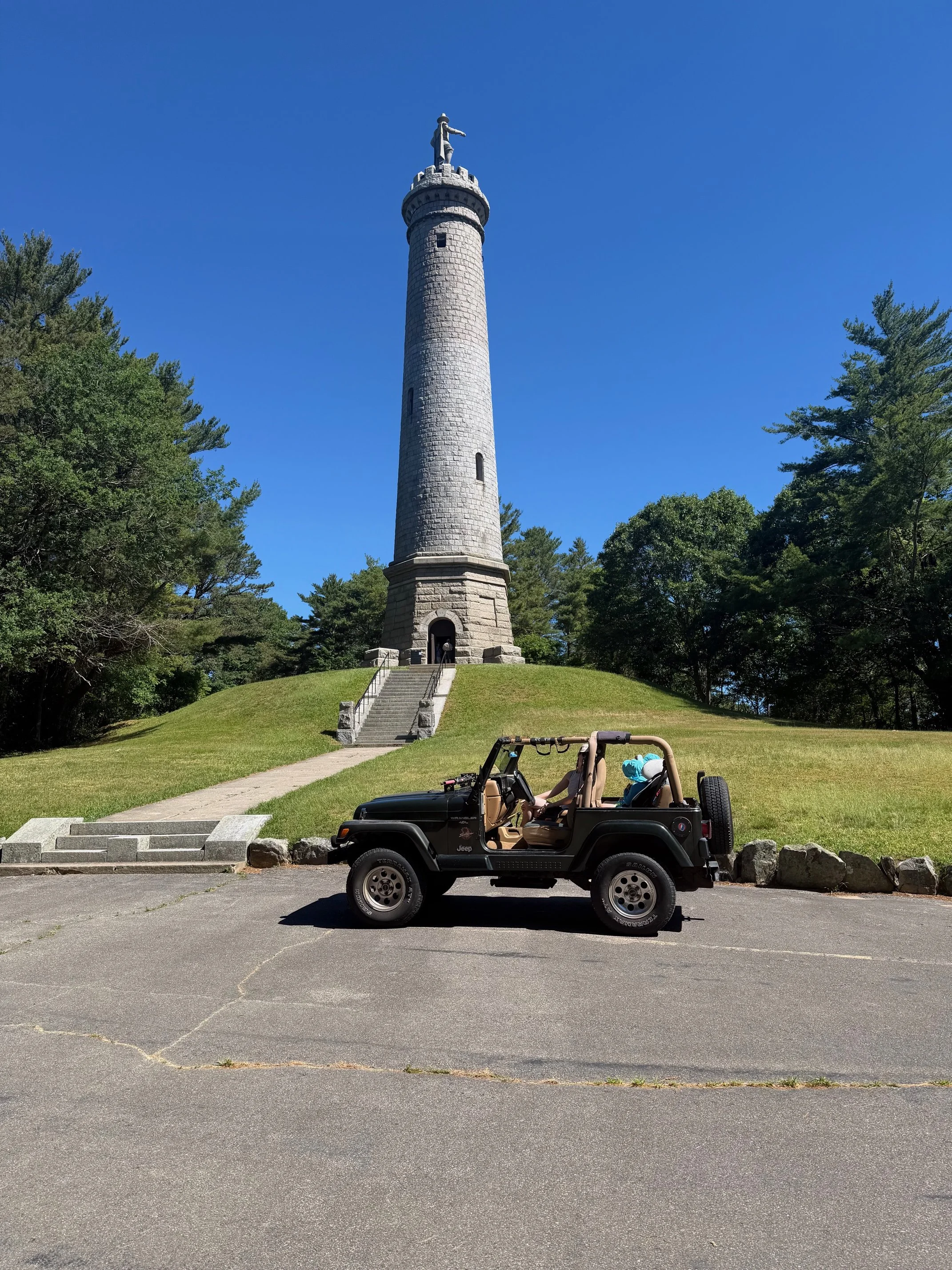
Myles Standish Monument
The Myles Standish Monument on Captain's Hill is one of Duxbury's most iconic landmarks — and one of the best views on the entire South Shore. Here's everything seniors and families need to know before making the climb
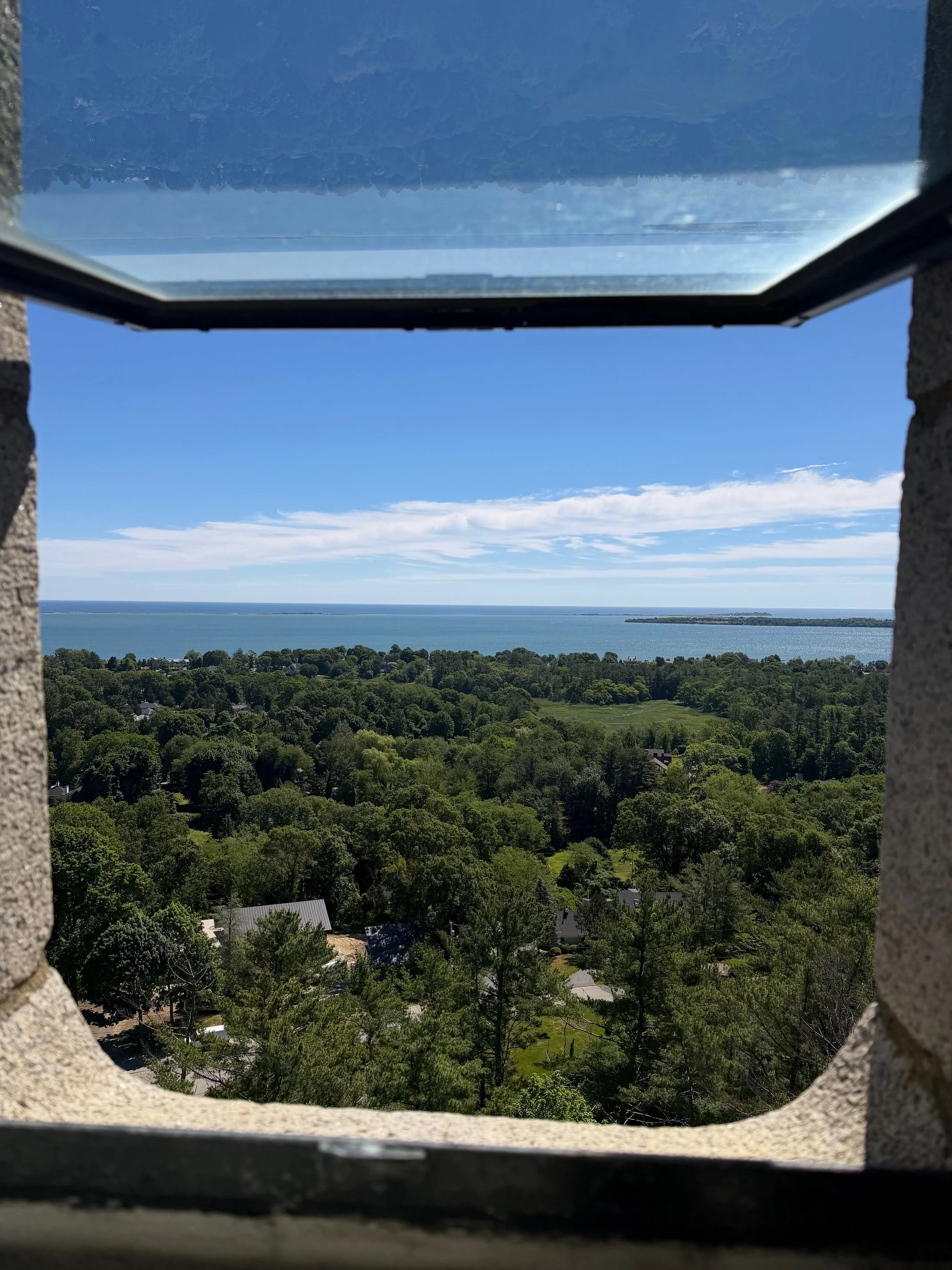
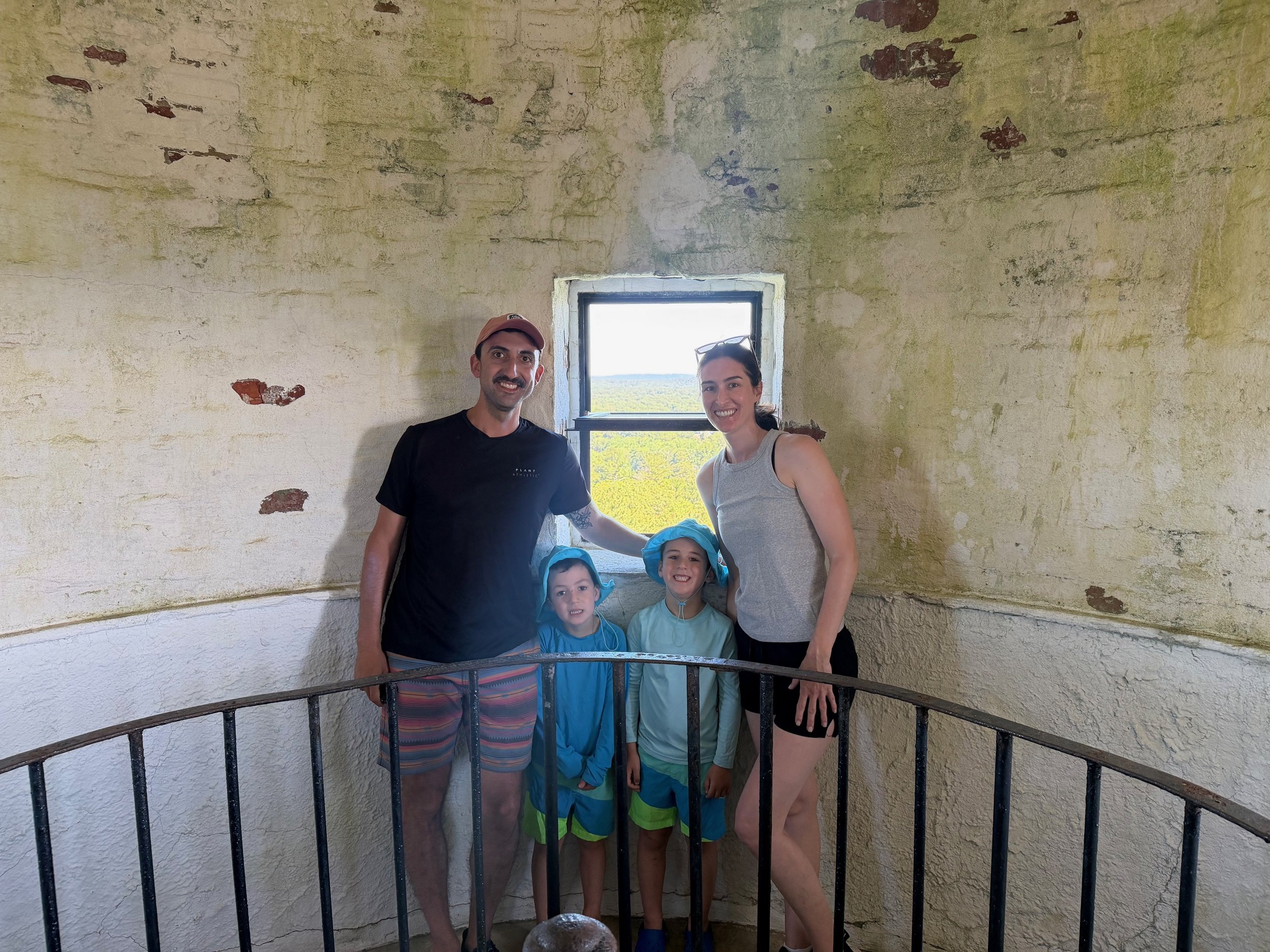
Earlier today, I took my 2 sons (5 and 4) along with my wife, to the Myles Standish Monument. It’s great on the weekends because you can drive up to the base and enjoy the elevation. We made it to the top, much to the surprise of the gate keeper, and we had a beautiful view of the South Shore.

If you've lived on the South Shore for any length of time, you've probably noticed it — that tall granite tower rising above the tree line somewhere east of Route 3, catching the afternoon light in a way that makes you wonder what it looks like from the top.
That's the Myles Standish Monument on Captain's Hill in Duxbury, and if you haven't climbed it, you're missing one of the best experiences the South Shore has to offer.
For active seniors and their families and caregivers, this is the kind of local gem that's worth knowing about — and worth planning around. Here's everything you need to know before you go.
The Monument: A Little History Goes a Long Way
The monument commemorates Captain Myles Standish (1584–1656), the military leader of Plymouth Colony, who lived on this very hillside after the settlers moved north from Plymouth. The hill is actually called Captain's Hill, and it was once part of Standish's farm. Standing at 200 feet above sea level, it's the highest point in Duxbury — which is exactly why it was chosen for a monument that was meant to be seen from miles around.
The 116-foot granite shaft topped with a 14-foot statue of Standish himself is hard to miss. It was dedicated in 1872, when 10,000 people gathered here for the cornerstone ceremony — an enormous crowd for the era. The tower wasn't fully completed until 1898, after 26 years of construction, which is either remarkable patience or remarkable stubbornness, depending on how you look at it.
The arched entrance at the base features something wonderful: each stone was donated by a different New England state, and the keystone — the central stone that holds the arch together — was donated by President Ulysses S. Grant. The statue at the top was created by Irish-American sculptor Stephen J. O'Kelley and carved by Italian craftsmen. This is a genuinely historic structure, and it's in our backyard.
Getting There: Driving Directions and What to Expect
The monument sits within the Myles Standish Monument State Reservation on Crescent Street in Duxbury — and the drive up is an experience in itself.
From Route 3: Take Exit 10 and head east on Route 3A for approximately 1.5 miles. At the blinking light, turn right onto Toby Garden Street and drive three-quarters of a mile. Turn right onto Standish Street and drive a half-mile. Bear right onto Crescent Street and follow it about a mile up the hill to the parking lot.
Parking: Free on-site parking is available in a lot near the monument. No parking fee. On summer weekends, especially beautiful-weather days, it can fill up — arriving before 10am is wise from late June through August.
The road up Crescent Street winds steadily uphill through the forest. It's well-maintained and easy to navigate, but the grade is noticeable — this is a genuine hill, and the elevation gain from the road to the parking lot is real. For passengers with motion sensitivity, take it slow on the curves.
The gate: The gate on Crescent Street is locked after hours, so you can't drive up outside of open hours. However, you can walk or bike up the hill anytime — the reservation itself is always accessible, even when the tower is closed.
Visiting Hours and When the Tower Is Open
The tower is open seasonally: weekends only, from Memorial Day weekend through Labor Day, 9am–5pm.
Outside those hours — and on weekdays — you can still hike to the monument and enjoy the grounds and the views from the base. But to climb the interior and reach the observation level at the top, you need to go on a weekend during the summer season.
Phone: (508) 208-0675 — call ahead in questionable weather, as rain and high winds close the tower.
Admission: Free.
The Stair Climb: What to Actually Expect
This is the part families ask about most, especially when planning a trip with older adults. Here's an honest account.
125 steps. That's what it takes to reach the observation level at the top of the tower. The interior staircase is stone — narrow, spiral, and steep in sections. There's a handrail, but the passage is tight and allows only one-way traffic at a time, so there's some waiting involved on busy days.
The stair climb is not wheelchair accessible. The tower itself does not have an elevator or accessibility accommodations for mobility devices. For seniors with walkers, rollators, or significant balance issues, the interior climb should be approached carefully — or skipped, with the understanding that the view from the hilltop outside is still genuinely spectacular.
For seniors who are reasonably mobile: this is very doable. The climb takes about 5–10 minutes, and the spiral staircase is enclosed, so there's no open-air exposure during the ascent. Take your time, rest on the landings, and go at your own pace. Staff and volunteers are present inside during open hours.
At the top: a small observation area with views in every direction. On a clear day — and South Shore clear days are legitimately extraordinary — you can see Plymouth Harbor, Duxbury Beach, Cape Cod Bay, the Blue Hills, 19th-century lighthouses, and church spires stretching across multiple towns. It is the kind of view that makes you feel very lucky to live here.
The Grounds: Even If You Don't Climb
If the stair climb isn't the right call, the reservation itself is worth the trip.
The hilltop grounds around the monument are open year-round. The walk from the parking lot to the base of the monument is a short, mostly flat path — manageable for most seniors and a gentle outing for those with limited stamina. There are benches near the monument for resting and taking in the surroundings.
The park has restrooms near the parking area (seasonal availability — confirm before visiting). There's also a small playground for families bringing grandchildren.
The woods surrounding Captain's Hill are part of a larger reservation with informal trails. These aren't developed or marked trails — more like quiet forest paths — so they're best for adventurous walkers comfortable without a formal trail system.
In terms of views without climbing: the hill itself provides partial water views over the treetops, and in the fall, the foliage from this vantage point is beautiful in its own right. Come on a clear October morning and you'll be glad you made the drive.
Tips for Making the Most of Your Visit
Go on a weekday morning if the gate hours allow. The tower is only open weekends, but the area is quieter midweek.
Bring water. The walk up from the parking area is short, but the tower climb is physical exertion. Seniors — especially those on diuretics or blood pressure medications — should stay well hydrated.
Wear layers. At 200 feet above sea level with open views, Captain's Hill is noticeably breezier than sea level. Even on warm days, bring something light for wind.
Wear sensible footwear. The path from the lot to the monument is paved, but the interior stairs are stone and can be uneven. Sneakers or walking shoes with grip are the right call.
Call ahead in questionable weather. The tower closes in rain and high winds. (508) 208-0675.
Combine it with a Duxbury outing. The monument is 10 minutes from Duxbury Center, Duxbury Beach, and several of our favorite local restaurants. Make a day of it — morning at the monument, lunch at the Winsor House or Snug Harbor Fish Co., afternoon at the beach. That's a genuinely excellent South Shore day.
How Snug Harbor Home Care Supports Outings Like This
One of the most important things a home caregiver can do for a senior client is help them stay active, engaged, and connected to the community around them. Not just the basics of daily care — the outings, the experiences, the afternoons that create real memories.
At Snug Harbor Home Care, our caregivers regularly accompany clients on outings throughout Duxbury, Marshfield, Plymouth, and the broader South Shore. If a client wants to visit the Myles Standish Monument, we help them get there safely, support them through the walk, and make sure the experience is enjoyable rather than stressful.
If you're exploring home care options for a loved one who values their independence and their connection to this community, we'd love to talk.
Call or text: 508-414-1897 Email:welcome@snugharborhomecare.comLearn more:Contact Snug Harbor Home Care
Frequently Asked Questions
Where is the Myles Standish Monument located? The Myles Standish Monument is located on Captain's Hill in Duxbury, Massachusetts, at the end of Crescent Street off Standish Street. The address for navigation is Crescent Street, Duxbury, MA 02332.
How many steps are in the Myles Standish Monument? There are 125 steps inside the tower to reach the observation level at the top. The staircase is stone and spiral, with a handrail. It takes approximately 5–10 minutes to climb at a relaxed pace.
Is the Myles Standish Monument wheelchair accessible? The interior stair climb is not wheelchair accessible, and there is no elevator. The grounds and parking lot are drivable and walkable for most visitors. Seniors with walkers or significant mobility limitations may wish to enjoy the hilltop grounds and view from outside the tower.
When is the Myles Standish Monument tower open? The tower is open on weekends from Memorial Day weekend through Labor Day, 9am–5pm. It closes in rain and high winds. Call (508) 208-0675 to confirm. The reservation itself is accessible year-round.
Is there parking at the Myles Standish Monument? Yes — free on-site parking is available. The lot can fill on summer weekends; arriving before 10am on busy days is recommended.
What can you see from the top of the Myles Standish Monument? On a clear day, the views from the top include Plymouth Harbor, Duxbury Beach, Cape Cod Bay, the Blue Hills, multiple lighthouses, and church spires across the South Shore. It's one of the best panoramic views available anywhere on the South Shore.
Is the Myles Standish Monument good for seniors? The outing is appropriate for seniors who are reasonably mobile and comfortable climbing stairs. The hilltop grounds and monument exterior are accessible without climbing. With preparation — comfortable footwear, water, layers — it's a rewarding and memorable local experience.
Sources: Mass.gov — Myles Standish Monument State Reservation, Wikipedia — Myles Standish Monument State Reservation, South Shore Hiking Trails, Duxbury Rural and Historical Society, NSRWA