Summer Nutrition Tips for Seniors: Eating Light, Staying Strong
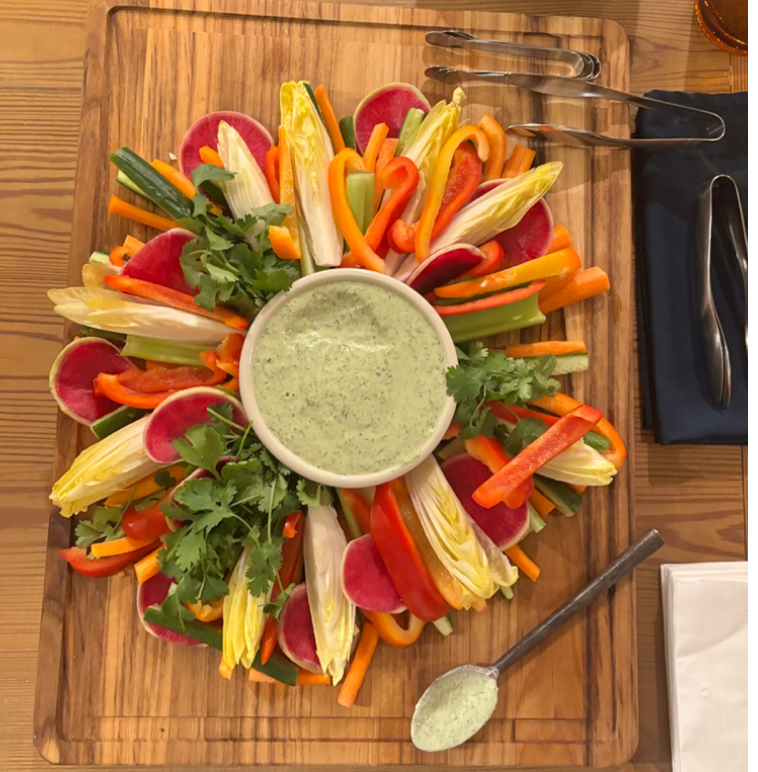
Summer is a season most of us love — the long evenings, the farmers markets, the smell of something good on the grill. But the heat changes things, and for older adults especially, it can quietly affect appetite, hydration, and energy in ways that are easy to miss.
The good news is that eating well in the summer doesn't have to be complicated. In fact, some of the simplest, freshest foods are exactly what the body needs this time of year.
Here's what we tell the families we work with here on the South Shore.
Why Summer Nutrition Is Different for Seniors
As we age, our sense of thirst naturally decreases. That means seniors can become dehydrated without feeling particularly thirsty — and in July heat, that's a real risk. At the same time, hot weather tends to suppress appetite, and some medications are affected by heat or interact with certain foods.
Add in the fact that many older adults are eating more meals alone in the summer (when family is busy or traveling), and you have a recipe for skipped meals, lighter eating, and gradual nutritional gaps.
None of this is inevitable. A little awareness goes a long way.
Hydration First — Always
Before we talk about food, we have to talk about water. Dehydration in seniors can look like fatigue, confusion, dizziness, headaches, or just a general sense of feeling "off" — and it can escalate quickly in the heat.
The goal is consistent, steady intake throughout the day, not just when thirst kicks in.
A few things that help:
Keep water visible. A glass or bottle on the kitchen counter, the nightstand, and next to the favorite chair is a simple reminder that actually works.
Flavor it lightly. A slice of lemon, cucumber, or a few mint leaves can make plain water more appealing without adding sugar.
Eat your water. Many summer fruits and vegetables are more than 90% water — watermelon, cucumbers, strawberries, cantaloupe, and celery all count toward daily fluid intake.
Watch the diuretics. Coffee, tea, and alcohol all pull fluid from the body. That doesn't mean eliminating them, but balance matters more in hot weather.
Summer Foods That Work Hard for You
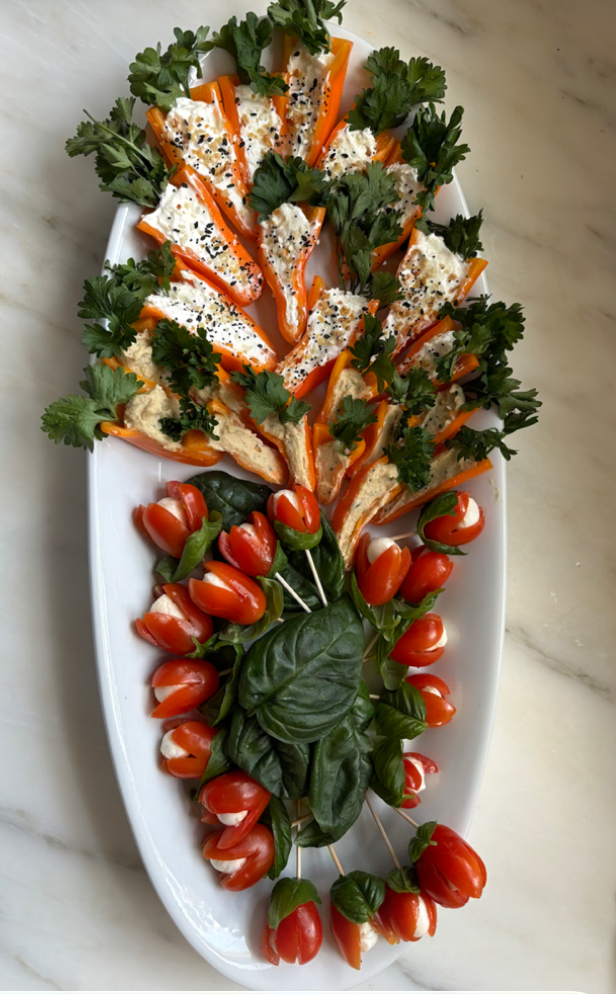
This is the best time of year to eat well, because the best foods for summer happen to be the ones in season. Here on the South Shore, farmers markets are running from Hingham to Marshfield — and what's fresh and local is almost always what's most nutritious.
Berries — blueberries, strawberries, raspberries — are packed with antioxidants and fiber and couldn't be easier to eat. A handful with breakfast or a midday snack is effortless nutrition.
Leafy greens like spinach, arugula, and romaine are rich in folate, iron, and calcium. In summer, a simple salad with olive oil, lemon, and a protein goes down easy even when it's hot out.
Watermelon is 92% water, naturally sweet, and gentle on digestion. It's also a good source of lycopene, which supports heart health — especially important for older adults.
Eggs are an underrated summer staple. They're quick, inexpensive, easy to digest, and a complete protein. A scrambled egg or a simple egg salad is a full meal in ten minutes.
Greek yogurt provides protein and probiotics and stays cool in the fridge for easy snacking. Pair it with fresh fruit and it's a complete, balanced mini-meal.
Fish and seafood — especially salmon, cod, and tuna — are lighter than red meat in summer heat, rich in omega-3 fatty acids, and here on the South Shore, often fresher than anywhere else in the country.
Eating When You're Not Very Hungry
One of the most common challenges we hear about is appetite loss in the summer. Heat naturally suppresses appetite, and for seniors who are already eating less than they should, this can become a real concern over the course of a season.
A few strategies that help:
Small meals, more often. Instead of three full meals, try five or six smaller ones throughout the day. A piece of fruit, a small bowl of soup, a handful of nuts and cheese — it adds up.
Eat earlier in the day. Appetite tends to be stronger in the morning and early afternoon, before the heat peaks. A more substantial breakfast and lunch, and a lighter dinner, often works better in summer.
Make it social. Eating alone reduces appetite for many people. A shared meal — even a simple one — tends to result in better intake. If a caregiver or companion is visiting, making that time around a meal is worth doing.
Cold foods are fine. There's nothing wrong with a cold plate in summer. Chilled salmon, a fruit and cottage cheese bowl, a good gazpacho — eating cold is comfortable and often more appealing when it's hot.
A Note on Medications and Food
Some medications are affected by heat — they may become less stable if stored in a warm environment, or may cause increased sensitivity to the sun. Others interact with common summer foods: grapefruit, for example, affects certain blood pressure and cholesterol medications.
If you or a loved one takes daily medications, a quick conversation with a pharmacist about summer storage and any food interactions is well worth five minutes.
How Snug Harbor Can Help
Eating well is easier when someone is there to help. Our caregivers can assist with light grocery shopping and food procurement — picking up fresh produce, stocking the fridge with easy options, and making sure meals happen even on days when energy or appetite is low.
If you have a loved one on the South Shore who could use some extra support this summer, we'd love to talk.
📞 Reach us at welcome@snugharborhomecare.com
Snug Harbor Home Care provides compassionate in-home and in-facility companion care across the South Shore of Massachusetts, including Hingham, Plymouth, Scituate, Marshfield, Duxbury, and surrounding communities.
